ACL and knee ligament injuries
A torn anterior cruciate ligament often means surgery, crutches and many months of rehab before sport is back on the table. The sections below set out the approaches knee ligament studies compare and the tests they use as strength and steadiness come back.
The recovery itself, day to day
The ACL runs through the middle of the knee and stops the shin bone sliding forward and twisting under the thigh. It usually tears during a sudden pivot, an awkward landing or a sharp change of direction, often with a pop and fast swelling. Afterward the knee can feel loose and give way on turns, stairs or uneven ground.
The early weeks bring swelling, crutches and steady work to get the knee fully straight again. Rehab then builds the thigh muscles, balance and control over many months, with running and jumping added in steps. People fit physical therapy visits around work or school, and many wonder whether the knee will hold up once they are back in their sport.
Questions researchers have not settled
Rebuilding the ligament is common, yet some people do well with rehab alone and it is hard to tell in advance who they are. The thigh muscles often stay weaker than the other side for a long time, and a second tear in either knee is a real concern. Researchers are asking which graft, which rehab plan and which return-to-sport tests give the steadiest knees, and why some knees develop arthritis years later.
What recovery studies in this area try out
- Reconstruction or rehab firstStudies comparing early ligament surgery with a structured rehab program, keeping surgery for knees that keep giving way.
- Graft choicesDifferent tissues used to rebuild the ligament, compared for strength, knee pain and recovery time.
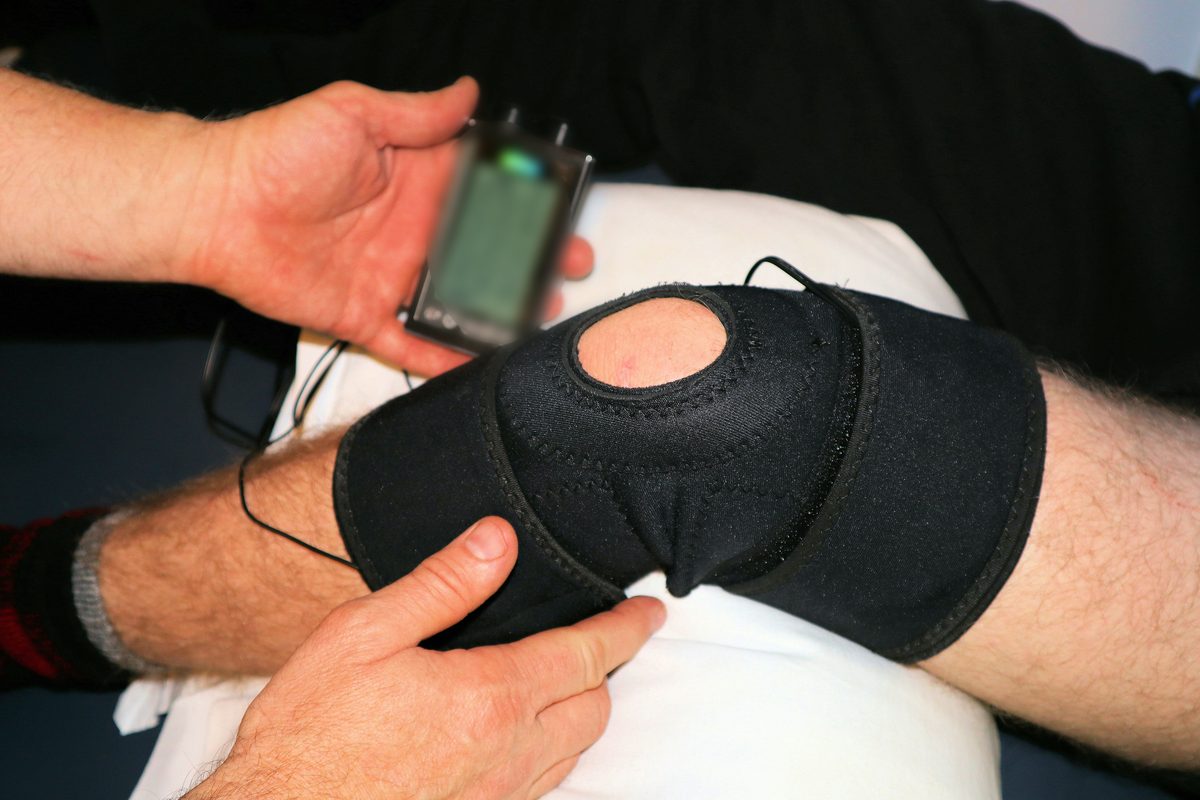
- Bracing after reconstructionWhether a knee brace in the early months changes steadiness, confidence or swelling.
- Blood flow restriction trainingLight strength exercises done with a cuff around the thigh, studied as a way to build muscle without heavy weights.
- Return-to-sport checksSets of hop, strength and agility tests used to judge when a knee is ready for cutting and jumping.
Checks a study makes along the way
- Knee laxityA clinician or a small device measures how far the shin bone shifts forward under the thigh.
- Thigh muscle strengthA machine records the strength of the quadriceps and hamstrings and compares the injured leg with the other one.
- Single-leg hop testsHops for distance and for time, compared side to side, show how well the knee handles landing.
- Readiness questionnairesQuestions about fear of another injury, trust in the knee and how ready you feel to go back to your sport.
Where in your recovery a study steps in
Many ACL studies speak with people in the days or weeks after the injury, before any decision about surgery is made. Others start later, when running drills begin or when someone is getting ready to go back to sport.
Your exercises and medicines while taking part
An ACL study may ask you to follow its rehab program as written, with set exercises at set stages. You may be asked to tell the team about pain medicines and anti-inflammatory tablets, to hold off on a training plan of your own, and to report any new twist or knock to the knee. Never make a change to your rehab, brace or tablets by yourself; raise it with your own surgeon or physical therapist first.
Worth asking before you say yes
- Does the study decide whether I have surgery, or is that already settled with my surgeon?
- Which graft would be used, and who chooses it?
- How many physical therapy sessions are part of the plan, and where do they happen?
- What tests decide when I can go back to my sport?
Terms from the clinic
- Anterior cruciate ligament
- A strong band of tissue inside the knee that keeps the shin bone from sliding forward and helps the knee hold steady on turns.
- Graft
- Tissue used to rebuild a torn ligament, taken from your own body or from a donor.
- Quadriceps
- The large muscles on the front of the thigh that straighten the knee and tend to weaken after an ACL injury.
Questions about aCL and knee ligament injuries research
The ligament itself rarely grows back together, but some people build enough muscle control to manage daily life without it, especially if they step away from pivoting sports. Others find the knee keeps giving way and choose reconstruction. Your own surgeon and physical therapist can talk through your knee, your activities and your goals with you before you look at any study.
Your uninjured leg is a useful yardstick. Studies often compare strength, hop distance and balance on both sides to see how close the injured knee has come to normal. The uninjured knee also carries some risk of its own, so a few studies look at protecting both legs during the return to sport and in the seasons that follow.
No. The ligament tears in skiers, soccer players and weekend basketball players, but also in people who slip on ice or twist a knee at work. Some studies focus on returning to sport, and others on walking, stairs and getting back to a job. Each team describes the people it hopes to hear from, and the team has the final say on who takes part.
Contact the study team directly with the details shown in the listing. StudyChirp only shares news about knee recovery research near your ZIP code; it has no role in running, funding or filling studies, and it does not pass on your name or number. Have your injury date and any surgery plans ready, and ask how the study fits with your own rehab.