Rotator cuff injuries
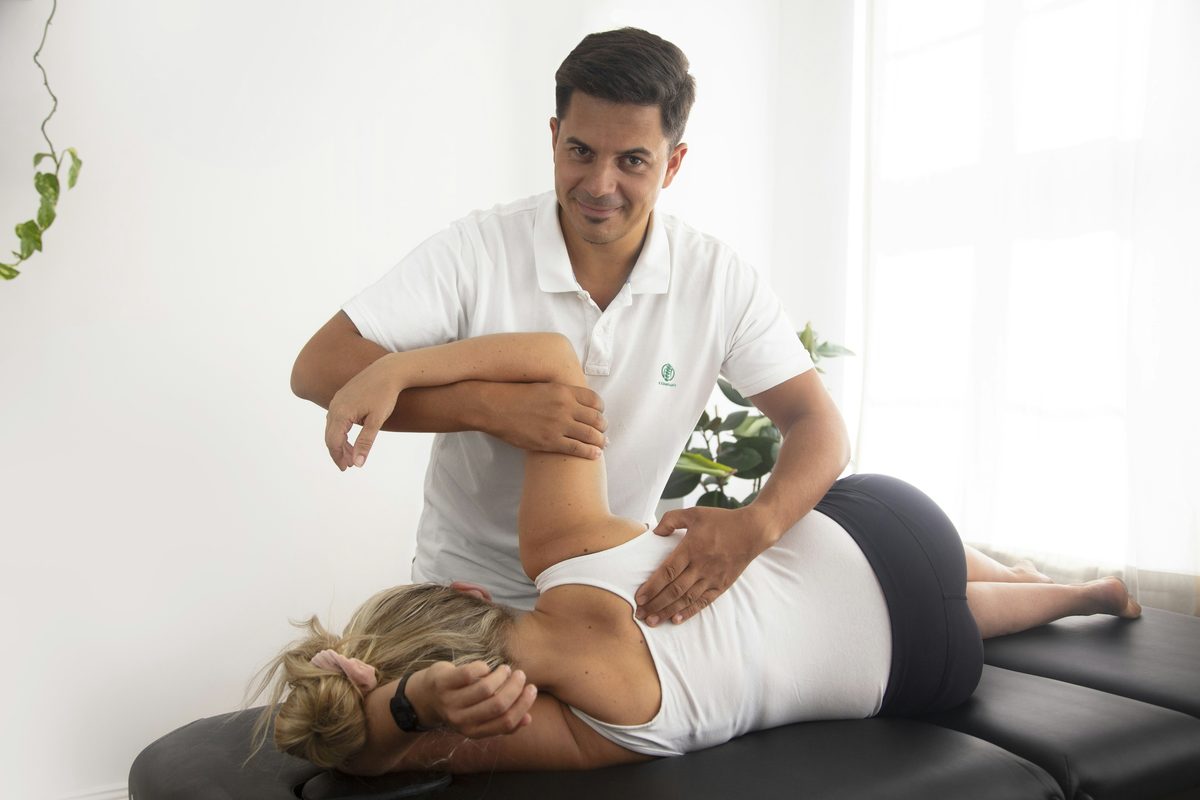
A rotator cuff tear can turn brushing your hair or reaching a high shelf into a careful plan. Below you can see what shoulder recovery research tries out and how a study team tracks reach and strength while the tendon heals.
The recovery itself, day to day
The rotator cuff is a set of muscles and tendons that holds the head of the upper arm bone in the shoulder socket. When one of those tendons tears, from a fall or from years of wear, lifting the arm out to the side or overhead can hurt or feel weak. Night pain is common, and many people cannot lie on that side for weeks.
After a repair, the arm usually rests in a sling for several weeks while the tendon starts to knit back to the bone. Gentle movement guided by a physical therapist comes next, then strength work. Dressing, driving, lifting a grocery bag or reaching into a cupboard return in stages. Many people worry about pulling the repair apart or about stiffness setting in.
Questions researchers have not settled
Surgeons and physical therapists still debate which tears need an operation and which do well with rehab alone. Some repaired tendons never fully reattach to the bone, and larger or older tears heal less reliably. Researchers are asking how soon a repaired shoulder should move, how long a sling helps, and what might help the tendon grip the bone more firmly.
What recovery studies in this area try out
- Repair surgery or rehab aloneStudies that set an operation to fix the tendon against a structured exercise program with no operation.
- Early or delayed movementWhen gentle shoulder movement should begin after a repair, and how quickly to build from there.
- How long the sling stays onHow long the arm stays in a sling after surgery, and what that means for stiffness and tendon healing.
- Injections near the tendonInjected treatments placed beside the tendon to see whether they ease pain or support healing.
- Home shoulder programsExercise plans done mostly at home with a few clinic check-ins, compared with more supervised physical therapy.
Checks a study makes along the way
- Reach and rotationA goniometer, a hinged ruler, measures how far you can raise and turn your arm in each direction.
- Shoulder strength readingsA handheld gauge records how hard you can push your arm out to the side or rotate it against resistance.
- Tendon healing on imagingAn ultrasound or MRI shows whether the repaired tendon has stayed attached to the bone.
- Everyday shoulder tasksQuestions about putting on a coat, washing your back, carrying a bag and sleeping on the sore side.
Where in your recovery a study steps in
Many rotator cuff studies talk to people before surgery is booked or in the weeks just before it, because the comparison often begins with the operation itself. Others start once the sling comes off and rehab is under way.
Your exercises and medicines while taking part
A rotator cuff study may ask you to follow its rehab plan as written and to tell the team about every pain medicine you take, including ones bought without a prescription. It may also ask you not to add a gym routine or a new exercise program of your own while you take part, and it will want to know about recent shoulder injections. Never change your sling, exercises or medicines on your own; ask your own surgeon or physical therapist first.
Worth asking before you say yes
- Does the study compare surgery with physical therapy, or does everyone have the operation?
- How long will my arm stay in a sling, and who decides when it comes off?
- Will an ultrasound or MRI check whether my tendon has healed?
- Will my rehab sessions be with the study's physical therapist or the one I already see?
Terms from the clinic
- Rotator cuff
- The group of muscles and tendons around the shoulder that keeps the arm bone centered in its socket and helps lift and turn the arm.
- Re-tear
- A tear that opens again in a tendon that was repaired, sometimes without any new injury.
- Passive range of motion
- How far a joint moves when someone else moves it for you while your own muscles stay relaxed.
Questions about rotator cuff injuries research
No. Some tears, especially worn ones in older shoulders, settle well with a guided exercise program, while sudden tears in active people are often repaired. The right path depends on the tear, your shoulder and your daily life. Your own surgeon or physical therapist can explain which fits you, and some studies exist because that question is still open for certain kinds of tear.
Some stiffness is expected while the tendon heals and the sling limits movement. It usually eases as the rehab plan moves along, though that can take months. Stiffness that keeps getting worse, or a shoulder that barely moves at all, is worth raising with your surgeon. Several studies look at the balance between moving early and protecting the repair.
Often, yes. Some studies start before surgery, but others look at rehab programs, pain after the operation or a shoulder that is still weak months later. Each listing says where in recovery it begins, and the study team settles who can take part after talking with you. Bring your operation date and your rehab notes when you ask.
You reach out to the study team yourself, using the contact details in the listing. StudyChirp does not run, fund or recruit for any study and passes nobody’s details on, so no team hears about you from us. Ask them where in recovery the study starts, what the visits involve and whether your surgeon needs to know. You decide what happens next.