Slow-healing wounds
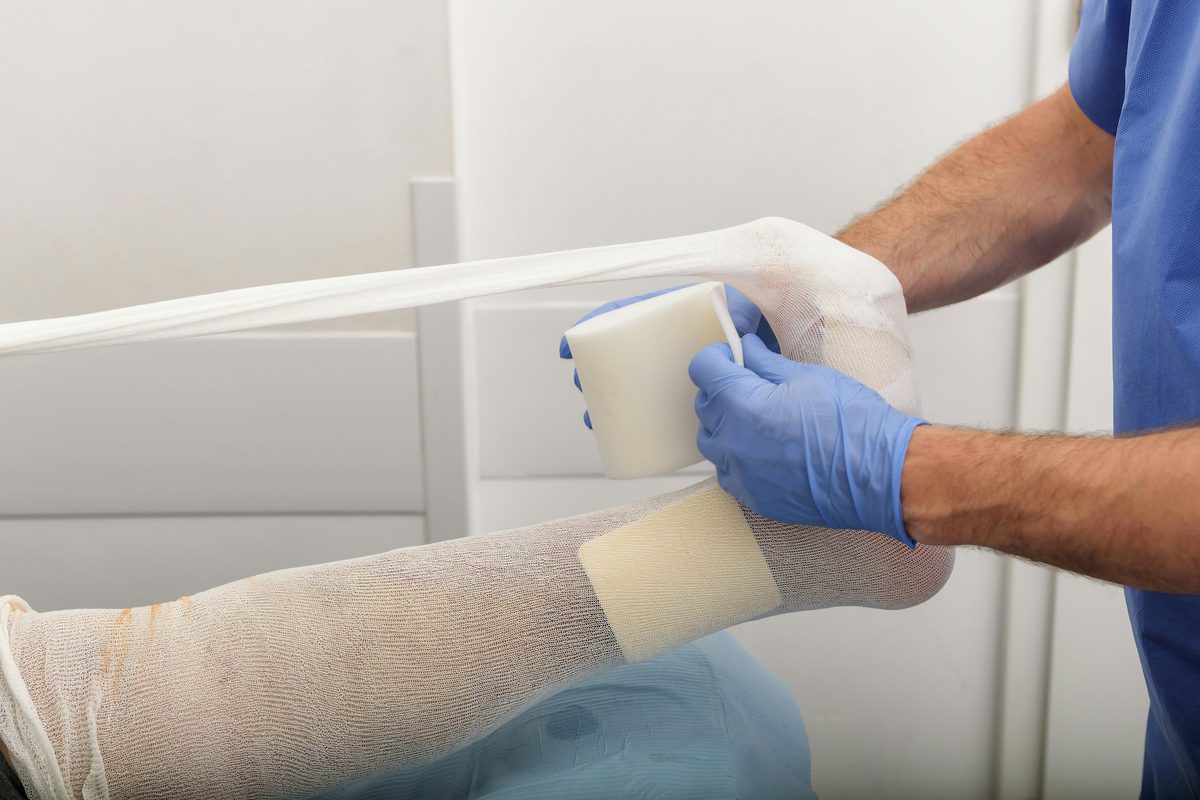
A diabetic foot ulcer, a leg ulcer or a pressure sore can take months of dressing changes to heal, and it can come back. Here is what research on slow-healing wounds tests and how studies track a wound as it closes.
The recovery itself, day to day
Slow-healing wounds often start small: a blister from a shoe, a knock to the shin, or skin that breaks down from pressure in a bed or chair. Poor blood flow, diabetes, swelling in the legs and lost feeling in the feet can all hold healing back. Some wounds hurt, while others, especially on numb feet, hardly hurt at all.
Living with one means regular dressing changes, clinic or nurse visits, and keeping weight or pressure off the area, which can make walking, work and sleep harder. Some people wear a special boot or firm bandages for weeks. A wound that is hot, spreading red, smells bad or comes with a fever needs medical care now, not a study.
Questions researchers have not settled
Many of these wounds heal with good care, but some stall for months, and a healed wound can open again. Researchers are still asking which dressings help, how to take pressure off a foot ulcer, what compression works for leg ulcers, and why some wounds stop healing altogether. They also study how to keep healed skin from breaking down a second time.
What recovery studies in this area try out
- DressingsDifferent dressing materials compared for how well they keep the wound moist, control fluid and support new tissue.
- OffloadingCasts, boots and footwear that take pressure off a foot ulcer so it has a chance to heal.
- Compression for leg ulcersBandages and stockings that squeeze the lower leg to help blood flow back toward the heart.
- Negative pressure therapyA sealed dressing attached to a small pump that draws fluid away from the wound.
- Keeping healed skin closedFootwear, skin care and regular checks that aim to stop a healed wound from opening again.
Checks a study makes along the way
- Wound area photosPhotographs taken at the same distance and angle each visit, often with a ruler beside the wound, to measure its size.
- Time to full closureHow long it takes until the wound is fully covered with new skin and stays that way.
- Signs of infectionChecks for redness, warmth, swelling and discharge at each visit, sometimes with a swab.
- Getting aroundHow far you walk, how long you wear an offloading boot and how the wound affects your daily tasks.
Where in your recovery a study steps in
Many wound studies talk to people whose wound has stayed open for several weeks despite standard care, since that is when healing has most likely stalled. Others start just as a wound heals, to look at keeping it closed.
Your exercises and medicines while taking part
A wound study may ask you to use only the dressings, boot or bandages it provides, to keep weight off the area as instructed, and to tell the team about antibiotics, blood sugar medicines and pain medicines. Creams and home remedies you pick up yourself may also need to wait. Nothing about your wound care or medicines should change by your own hand; speak with your own doctor, wound nurse or physical therapist first.
Worth asking before you say yes
- Which dressings or boot will I use, and who changes them?
- How often do I need to come in for wound checks?
- How is the size of my wound measured and recorded?
- What happens if my wound gets infected during the study?
Terms from the clinic
- Diabetic foot ulcer
- An open sore on the foot of someone with diabetes, often where lost feeling means pressure or rubbing goes unnoticed.
- Offloading
- Taking weight and pressure off a wound, usually with a cast, boot, special shoe or cushion.
- Venous leg ulcer
- A wound on the lower leg caused by blood pooling in the veins, often treated with compression.
Questions about slow-healing wounds research
Healing needs good blood flow, healthy skin around the wound and freedom from pressure and infection. Diabetes, poor circulation, swelling in the legs and long hours in a bed or chair can all get in the way. Your own doctor or wound nurse can explain what is slowing your wound, and that understanding guides which studies are worth a look.
Usually it works alongside it. Many studies keep the basics of good wound care in place, such as cleaning, offloading or compression, and test one change, like a dressing or a boot. The study team explains exactly who changes your dressings and how often. Keep your own doctor or nurse informed throughout, and raise any worry with them first.
Some do. Pressure sore studies may look at cushions, mattresses, dressings or how often a person is turned, and some take place in care homes or at home. A listing describes the kind of wound and setting it covers. The study team talks it through with you, and often with whoever helps with your care, before deciding who takes part.
No. StudyChirp is not a clinic, and it does not conduct, sponsor or recruit for any study. It sends occasional news about wound healing research near your ZIP code and passes your details to no one. If a wound study catches your interest, contact its team yourself from the listing, and bring your doctor or wound nurse into the decision.