For most people, recovery means getting back to something: a job, the car, a sport, the stairs at home. Studies ask about these goals with care. This guide explains how, and what to tell a study team about your own plans.
Why return to activity is a measure researchers use
A knee can bend well and test strong and still not feel ready for a basketball court. A shoulder can heal and still ache through a shift of lifting. Researchers have found that getting back to work, driving and sport is one of the clearest signs of how a recovery is going, so many studies ask about it directly.
These questions also show what a person gave up along the way. Someone who changed jobs, stepped away from a sport or drives less than before has an outcome that matters even when every clinic test looks good. Studies record these changes to get a fuller picture of recovery.
How studies ask about work and household tasks
Questions about work usually cover whether you are back, how many hours you manage and whether your duties have changed. A study may ask about lighter duties, time off for appointments and tasks you still avoid, such as reaching overhead or kneeling on a hard floor.
Household tasks get the same attention. Studies ask about cleaning, carrying children or groceries, gardening, getting in and out of a car and sleeping through the night. Honest answers help the research, even when progress has stalled for a while.
Sport, driving and the questions behind them
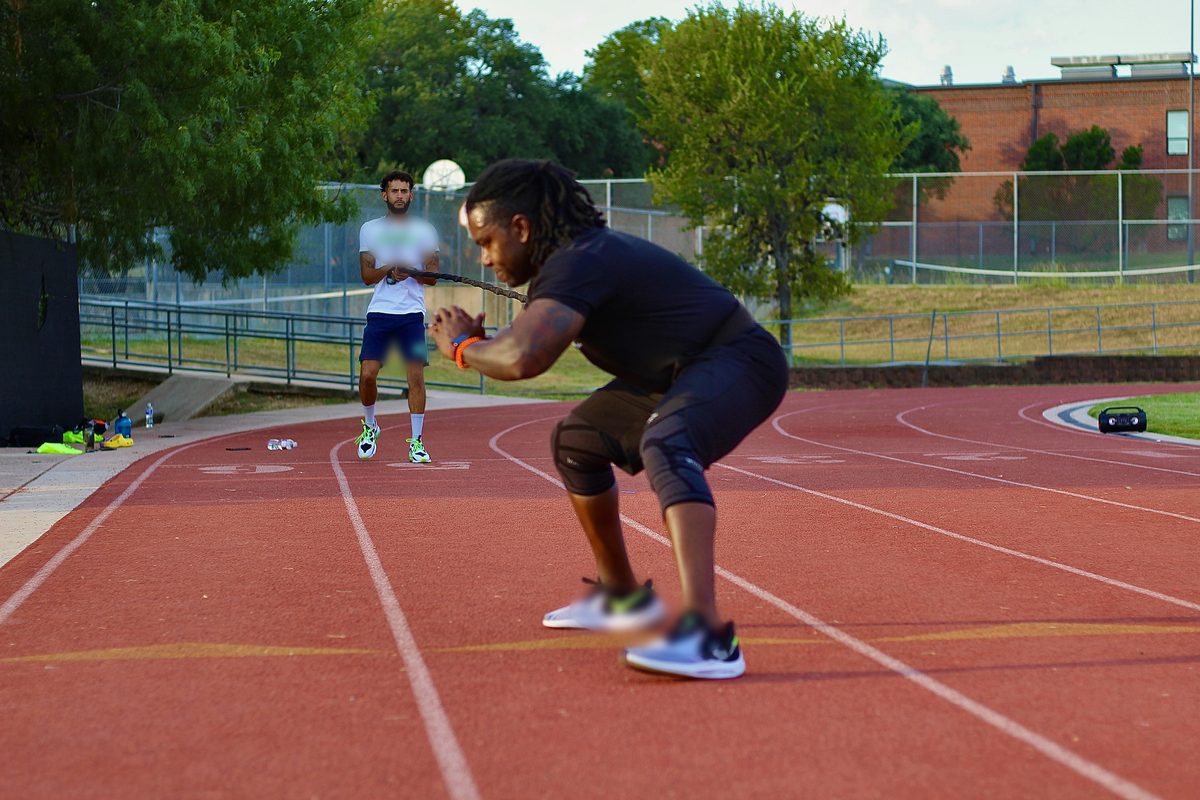
Return to sport is a major question in knee ligament and shoulder research. Studies ask whether you are back at the same level, a lower level or a different activity, and whether fear of getting hurt again holds you back. Concussion research asks when school, screens, exercise and contact sport can come back.
Driving is its own question after a joint replacement, a shoulder repair or a concussion, because reaction time, strength, comfort and pain relief that makes you drowsy all play a part. Studies may ask when you first drove again and how a longer trip felt. The list below shows the kinds of return questions recovery studies often ask.
- Whether you are back at work, and with the same duties
- When you started driving again, and how it feels
- Whether you play your sport at the same level as before
- How confident the injured joint feels during sudden moves
- Which household tasks you still avoid or find slow
Sharing your season, job or trip with a study team
Before you contact a study team, think about what you want to get back to and when. A season you hope to play, a job that needs heavy lifting or a long drive for work can all affect whether a study's plan suits you. Mention them early, so the team can say whether the two fit together.
Some studies ask people to hold off on certain activities for a while, or to return in steps. Your surgeon or physical therapist decides when you are ready, not the study and not StudyChirp. After a concussion, symptoms that come back or grow with activity, such as a building headache or confusion, need medical care now.
What StudyChirp can and cannot tell you
StudyChirp writes about how recovery research approaches return to work and sport, so you know what questions a study is likely to ask. It cannot tell you when you are ready to go back to anything. It gives no care, backs no study with money and plays no part in running research or finding volunteers for it.
If you want to look into a study in your area, get in touch with the study team on your own and ask about its plan. StudyChirp does not give your name or contact details to that team, or to anyone else.
The short version
- Getting back to work, driving and sport is a key sign of recovery in research.
- Studies ask about duties, levels of play and the tasks you still avoid.
- Tell a study team early about the season, job or trip you are planning around.